
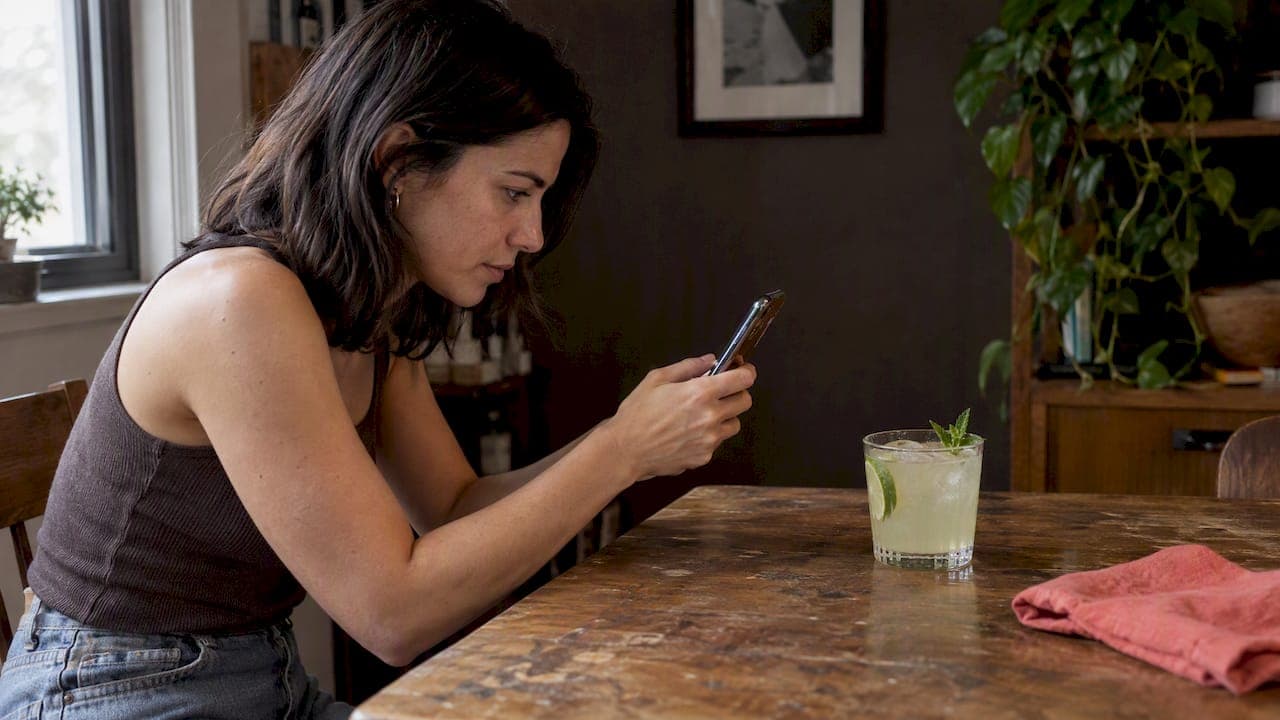
A single, well-shot drink photo can help some profiles but will harm others, so treat it as a targeted signal, not a universal hack. Tinder's Photo Insights favours variety over any one image, and peer-reviewed research on alcohol and attractiveness backs that up: context decides the outcome. The smartest move is to test your specific photo with a photo analysis tool rather than guess.
TL;DR:
- A drink photo can signal sociability, nightlife interest, or celebration, but its effectiveness depends on the viewer’s own drinking habits and preferences.
- Light alcohol cues may slightly increase attractiveness if paired with a natural smile and appropriate context, but high doses have no benefit and may harm perception.
- Position your drink photo after a clear face shot, ensure proper lighting, and include believable social settings to maximize positive impressions.
- Avoid using drink photos that show intoxication, risky behavior, or are repeated nightlife selfies, as these can damage your profile and reduce match quality.
- Use AI photo analysis tools to objectively test whether a drink shot improves or weakens your profile performance before uploading it publicly.
Table of Contents
- How drink photos change first impressions on dating apps
- What the research and experiments show about alcohol and attractiveness
- Tinder rules, Photo Selector/Photo Insights and AI moderation you must know
- How to add a drink photo that helps: placement, composition and context
- When a drink photo backfires: red flags and edge cases
- Expert perspective: using AI photo analysis to settle the drink-photo question
- Using drinks to signal who you are, not to impress everybody
- Try a private AI analysis to test your drink photo
- FAQ
- Sources
How drink photos change first impressions on dating apps
A drink in your hand tells a story before anyone reads your bio. Most people read it as a signal about your lifestyle, not just the glass itself.
- Sociability: a drink with friends or at a nice dinner suggests you're easy to be around.
- Nightlife identity: a bar or club shot signals you enjoy going out, which attracts people with the same habits.
- Celebration: a toast at an event reads as warm and occasion-specific, not routine.
The catch is that viewers match drinks to their own habits. Someone who drinks socially will warm to a wine-at-dinner shot. Someone who avoids alcohol, or has had bad experiences with heavy drinkers, may swipe past the same photo without a second thought. This self-selection effect means a drink photo rarely works for everybody. It works for people who already drink, or who are comfortable with others drinking, and it quietly filters out the rest. That filtering can be useful if it leaves you with more compatible matches, but only if you're using it on purpose.
What the research and experiments show about alcohol and attractiveness
The science here is more modest than most people assume. A peer-reviewed review of alcohol and attractiveness perception found that low doses of alcohol can produce a small, measurable increase in how attractive someone appears, while higher doses show no such benefit and can work against the person being viewed.
A small, dose-dependent effect, not a guaranteed boost. The research points to a modest link between light alcohol cues and perceived attractiveness, and that effect depends heavily on facial expression and context, with smiling and natural, dynamic-looking photos doing more work than the drink itself.
Separate research on perceived appeal and drinking status found people tend to rate potential partners more highly when their drinking habits match their own. That compatibility effect, not the alcohol itself, explains a lot of the mixed results seen in casual dating-app experiments, where outcomes differ by gender and by app. The honest takeaway: a drink photo might sharpen your signal to the right audience, but it isn't a universal match-booster.

Tinder rules, Photo Selector/Photo Insights and AI moderation you must know
Before you add a drink shot, know what Tinder actually checks. Photo Insights and Photo Selector run on-device scans that suggest your strongest photo set, with an emphasis on variety across activities, settings and poses rather than any single winning image. A drink photo that's one of several varied shots performs better than five bar selfies in a row.

Photo Verification checks liveness and facial correspondence, and Tinder's community guidelines prohibit content showing minors, explicit material, unconsented images of other people, or illegal activity. The practical rule: keep your face clearly visible and identifiable, skip anything that could suggest excess or risk, and never include someone else in frame without their knowledge.
How to add a drink photo that helps: placement, composition and context
Getting this right is less about the drink and more about the setup around it.
- Lead with a face-first hero shot. Your main photo should be a clear, well-lit headshot with a natural smile. Save the drink photo for position two or three in your lineup, as a supporting lifestyle image rather than the first thing people see.
- Get the composition right. Keep your face unobstructed, use soft natural light rather than dim bar lighting, and crop tightly enough that the glass doesn't dominate the frame or create distracting reflections.
- Build in real context. Pair the drink with something believable: a meal out, a trip, a terrace at sunset. Avoid large group shots where you're hard to pick out, and never include other identifiable people without their consent.
- Test it properly. Swap the drink photo for a sober alternative in the same slot and compare results over a similar window. Look past the swipe count and check whether the messages you get are longer, more specific, or ask real questions, since that's a better sign of genuine compatibility.
Pro Tip: Judge a drink photo by the quality of the conversations it brings in, not just how many right-swipes it generates.
The Tinder Photo Tips guidance makes the same point in its own way: your full photo set matters more than any single image, so a drink photo only earns its place if the rest of your lineup already shows your face, your hobbies and some social context clearly.
When a drink photo backfires: red flags and edge cases
Some drink photos do real damage, and it's worth knowing the signs before you upload one.
- Visible intoxication: glassy eyes, slouched posture or a messy setting reads as poor judgement, not fun.
- Illegal or risky context: anything suggesting underage drinking, drink driving or reckless behaviour will cost you matches and may breach Tinder's guidelines.
- Repeated nightlife selfies: three or four bar shots in a row signal a narrow life, not an interesting one.
- Audience mismatch: sober-curious matches, people in recovery, or those with different cultural expectations around drinking may swipe past without explanation.
If any of these apply to a photo you're considering, the fix is usually quick: crop out the glass, swap the backdrop for something calmer, or retake the shot somewhere with better light and a clearer sense of occasion.
Expert perspective: using AI photo analysis to settle the drink-photo question
Rather than guessing whether your drink photo helps or hurts, you can test it directly. The DoubleMyMatches approach scores each photo on lighting, expression and composition, the same factors the research above flags as doing most of the real work.
Photos can be analysed once and then discarded, never published or used to train the AI - try private AI-generated photos to test your drink photo's impact. This allows testing a drink photo and a sober alternative through the same scoring, comparing the results, and picking the version that genuinely performs better for your profile, rather than relying on instinct.
Using drinks to signal who you are, not to impress everybody
Our view: use at most one drink photo, keep it clearly social rather than boozy, and place it as a supporting shot, not your opener. Test it against a sober version before you commit. Chasing swipes with a party photo is a short game. Chasing the right matches, through an honest signal and a proper test, is the one that pays off.
Try a private AI analysis to test your drink photo
Guessing whether a drink shot helps or hurts is slow and frustrating when you could just test it. The Profile Picture Tester for Dating scores your photos instantly, ranks them best to worst, and gives you per-photo feedback so you can see exactly how a drink photo compares to a sober one in your lineup.
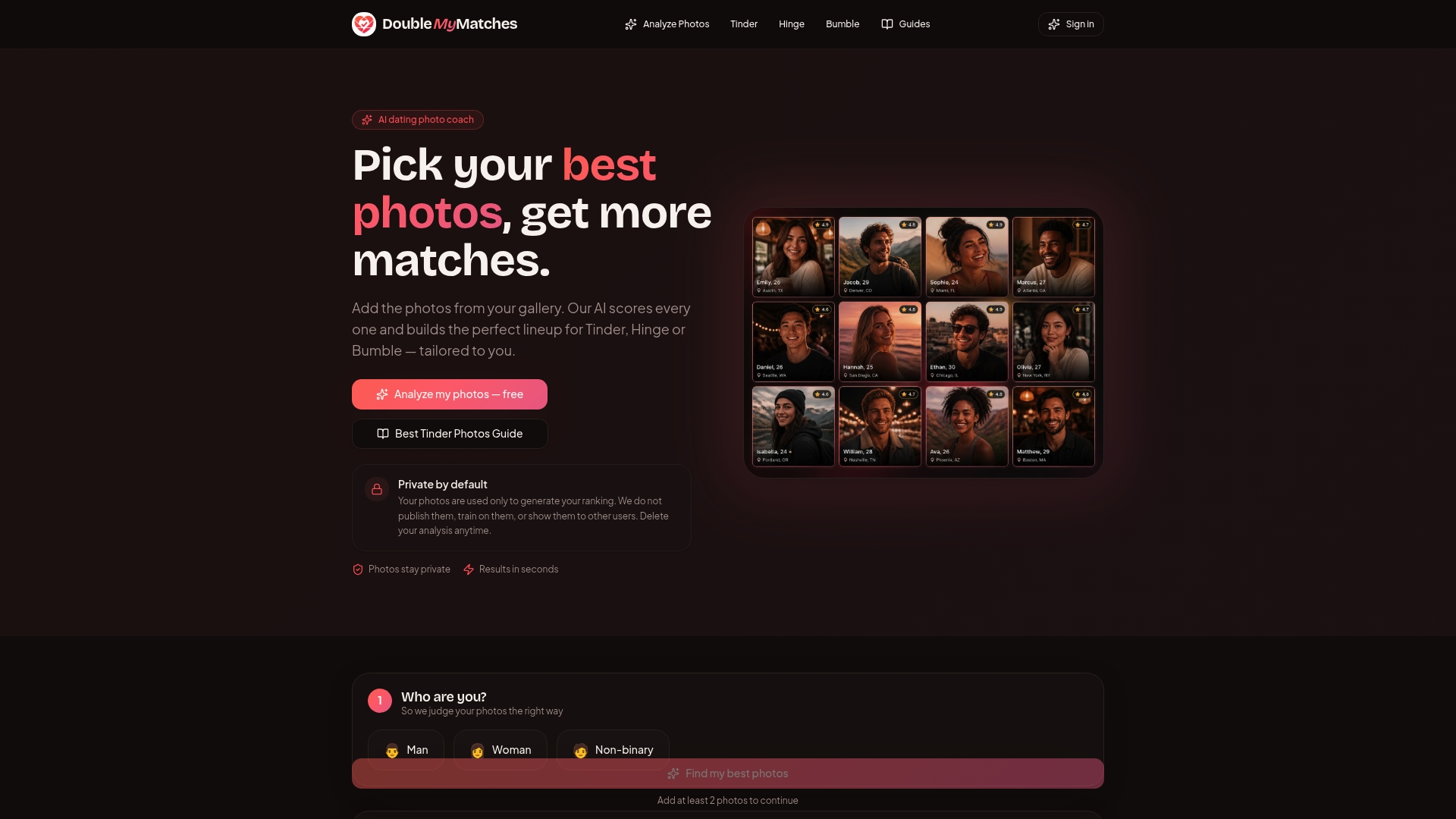
- Instant scoring on lighting, expression and composition, with results in minutes.
- Best-to-worst ordering so you know which photo should lead and which ones to cut.
- Privacy-first analysis: your photos are reviewed once and then deleted, never published or used for training.
A Full Report runs $7, and if your first results are close, a Retest & Lock In for $17 lets you confirm the change before you commit to it. Upload your current lineup, swap in the drink photo you're unsure about, and see what the scores say.
FAQ
What kind of photos are not allowed on Tinder?
Tinder's community guidelines prohibit images showing minors, explicit content, people included without their consent, and anything depicting illegal activity. Photos suggesting intoxication or risky behaviour around alcohol can also hurt your profile's reception even where they aren't formally banned.
What is the 1/2/3 rule for drinking?
Definitions of drinking pacing rules vary across sources and aren't tied to any Tinder policy or the research cited here. If you're using a drink photo to signal moderate, social drinking, the safer approach is simply to show a single drink in a clearly non-intoxicated, well-lit context.
What pictures attract girls on Tinder?
Tinder's own Photo Tips recommend a varied set: a clear face-first hero shot, plus photos showing hobbies, travel or social moments, rather than repeated selfies. A drink photo can work as one supporting image in that mix, but it shouldn't be your main photo or your only social proof.
Can Tinder detect AI photos?
Tinder's Photo Verification checks liveness and facial correspondence against your live selfie, and the platform places responsibility on users to post authentic, unaltered photos. Tinder doesn't state that all AI-generated images are automatically blocked, so the safer path is to use real, current photos of yourself.
Sources
- Photo Insights – Tinder
- Beer goggles or liquid courage? Alcohol, attractiveness perceptions, and partner selection among men (PMCID)
- Tinder community guidelines