
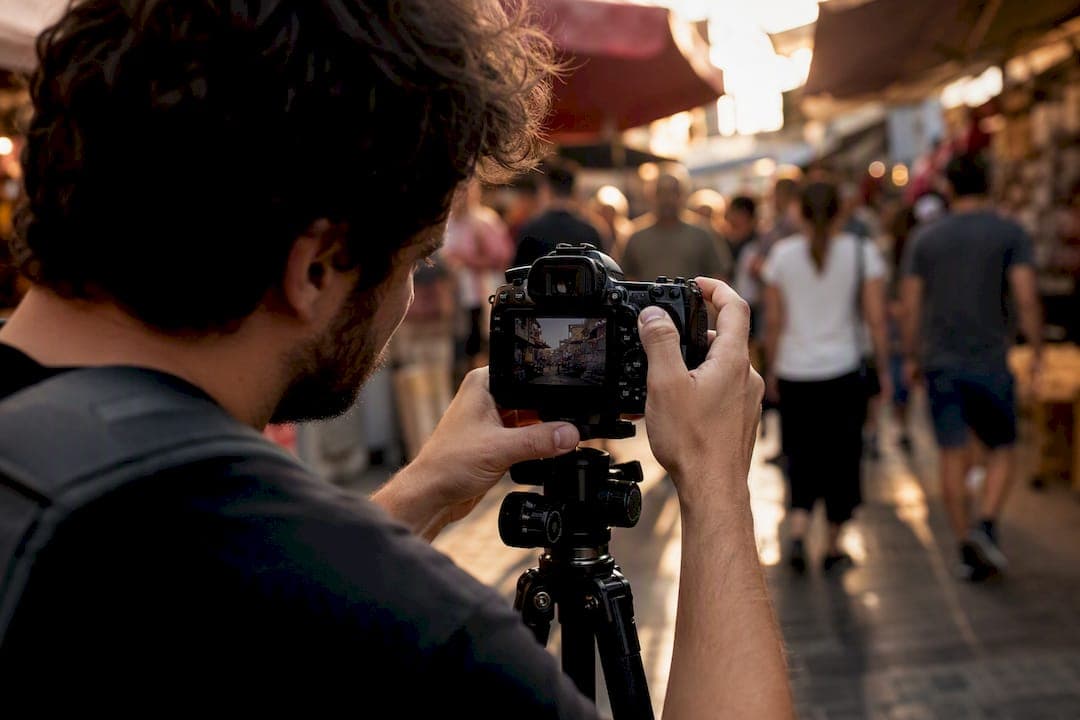
Candid photos read as more genuine because nobody's performing for the camera. Posed photos give you total control over light, angle and expression. If you want emotional storytelling, lean candid. If you want a polished, flattering portrait, lean posed. Most great galleries, including your dating profile, use both.
Key Takeaways
Candid photos build emotional connection through perceived authenticity, while posed photos deliver consistent, controlled results, and combining both produces the strongest photo set for any purpose.
| Point | Details |
|---|---|
| Candid builds connection | Observers feel more connected to people shown in candid photos across multiple studies. |
| Staging must feel real | The candid advantage disappears once viewers realise a shot was staged. |
| Control favours posed shots | Posed photography gives you reliable light, angle and expression at the cost of spontaneity. |
| Mix styles by scenario | Weddings, editorials and dating profiles all benefit from blending candid and posed images. |
| Anticipation beats luck | Strong candid photography depends on pre-set exposure and reading the moment, not chance. |
Table of Contents
- Candid vs posed photos: the basic definitions
- How candid and posed shots actually compare
- When to choose candid, posed or a mix
- How to shoot candid photos that actually land
- How to direct posed photos people actually like
- Making posed look candid and candid look intentional
- Your pre-shoot and on-shoot checklist
- What the research says about the candid advantage
- Picking your own best shots without the guesswork
- Sources
Candid vs posed photos: the basic definitions
Candid photography captures people as they actually are: mid laugh, mid conversation, unaware of the lens or ignoring it on purpose. You're an observer, not a director, and that distance is exactly what makes the shot feel real.
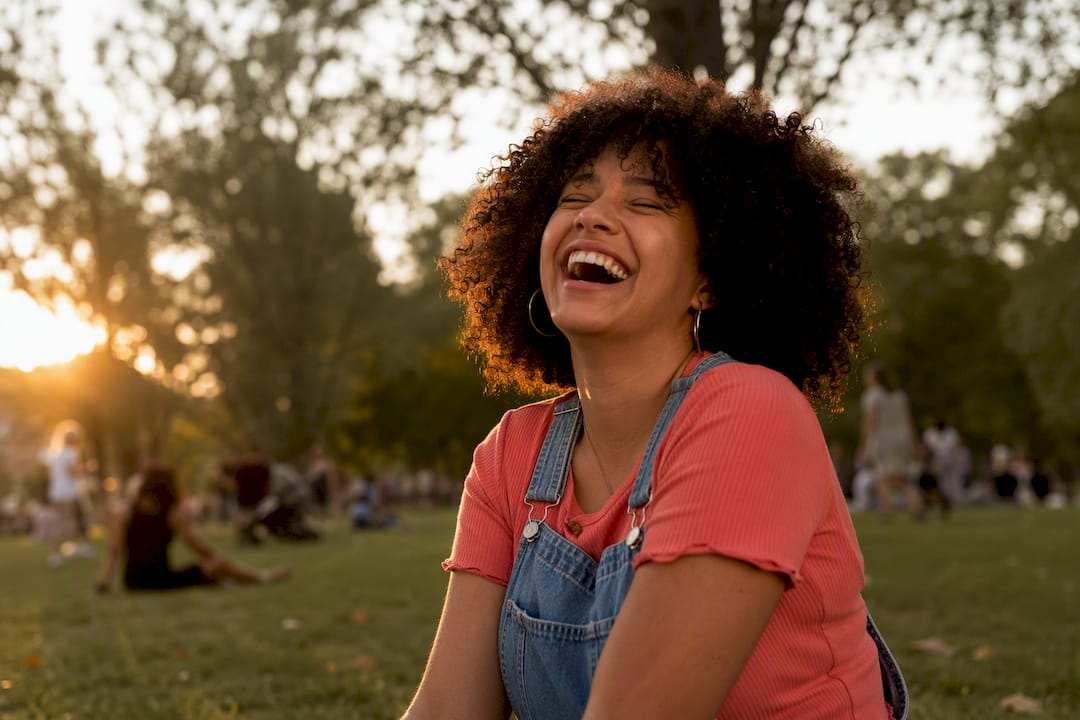
Posed photography flips that. You direct the light, the angle, the expression, sometimes the exact tilt of a chin. Nothing happens by accident.
A few examples make the difference obvious:
- A bride caught mid-laugh during her speech (candid) vs the formal couple portrait against a scenic backdrop (posed)
- A stranger spotted reading on a park bench, unaware of the camera (candid) vs a corporate headshot with studio lighting (posed)
- A dating profile photo of you genuinely mid-story with friends (candid) vs a deliberate three-quarter turn towards the camera (posed)
How candid and posed shots actually compare
The two styles trade off in predictable ways. Candid shots win on emotional impact but cost you control; posed shots win on polish but risk looking stiff if overdone.
| Factor | Candid | Posed |
|---|---|---|
| Genuineness / emotional impact | High. Feels spontaneous and real | Moderate. Can feel curated unless well directed |
| Photographer control | Low. You react to the moment | High. You set light, angle, timing |
| Typical technical approach | Fast shutter, wide aperture, burst mode, 35mm to 85mm | Controlled light, tripod-friendly, 50mm to 135mm |
| Best-for / use cases | Weddings, street, storytelling, social proof | Headshots, formal portraits, product-style profile shots |
| Advantages / disadvantages | Authentic, but unpredictable and harder to plan | Reliable and flattering, but risks looking rehearsed |
The verdict: use candid when you need connection, posed when you need consistency.
When to choose candid, posed or a mix
Different situations call for different approaches, and mixing them is usually the smarter move than picking one exclusively.
- Wedding reportage: mix both. Use posed group shots for family records, candid shots for genuine emotion. Don't skip the posed portraits entirely, families want them.
- Formal headshot: go posed. Controlled light and a directed expression matter more than spontaneity for LinkedIn or corporate use.
- Dating or social profile: mix both. One candid photo mixed among posed shots reads as more trustworthy without breaking profile norms, since most profiles default to a standard half-length pose.
- Street portrait: lean candid. The whole appeal is unguarded expression, so directing it too much kills the point.
- Editorial: mix both, usually staged-candid. Guide activity rather than freezing a pose so the shot still feels alive.
How to shoot candid photos that actually land
The core settings: fast shutter speed (1/250s or quicker for movement), a wide aperture (f/2.8 to f/4) for background separation, auto ISO, continuous autofocus, and burst mode so you don't miss the peak expression.
Settings alone don't make a candid shot work though. Anticipation does. Watch how people interact rather than watching your screen, and press the shutter just before the moment you actually want, not after. Practitioner advice from Canon consistently stresses that candid photography rewards patience and readiness, not luck.
- Use a 35mm to 85mm prime for discretion and speed over a bulky zoom
- Pre-focus on a likely zone before the moment happens
- Keep your gear quiet and your body language relaxed so subjects forget you're there
- Get consent afterwards if the subject is identifiable, especially for anything you'll publish
Pro Tip: Pre-set your exposure for the lighting in the room before you start shooting. Chasing settings mid-moment is how you miss the shot entirely.
How to direct posed photos people actually like
Posed photography is about control: where the light falls, how the body lines up, where the eyes go. Get those three right and the pose does most of the work for you.
Start simple. Window light at a 45-degree angle gives you soft, flattering shadow without extra gear. A cheap reflector fills in harsh shade. If you're ready for off-camera flash, a single softbox at 45 degrees with a slight upward angle covers most portrait needs.
- Ask subjects to shift weight onto their back foot to avoid a flat, stiff stance
- Direct the chin down and slightly forward to define the jawline
- Give a verbal prompt like "think of something that actually made you laugh this week" instead of "smile"
- Check hands specifically; loose fists or a hand in a pocket read better than flat palms
Pro Tip: If a pose looks stiff, ask the subject to shake out their arms and reset. Tension shows up first in the hands and shoulders.
Making posed look candid and candid look intentional
A convincingly staged shot can deliver the same social benefits as a genuine candid one, provided it reads as authentic rather than performed.
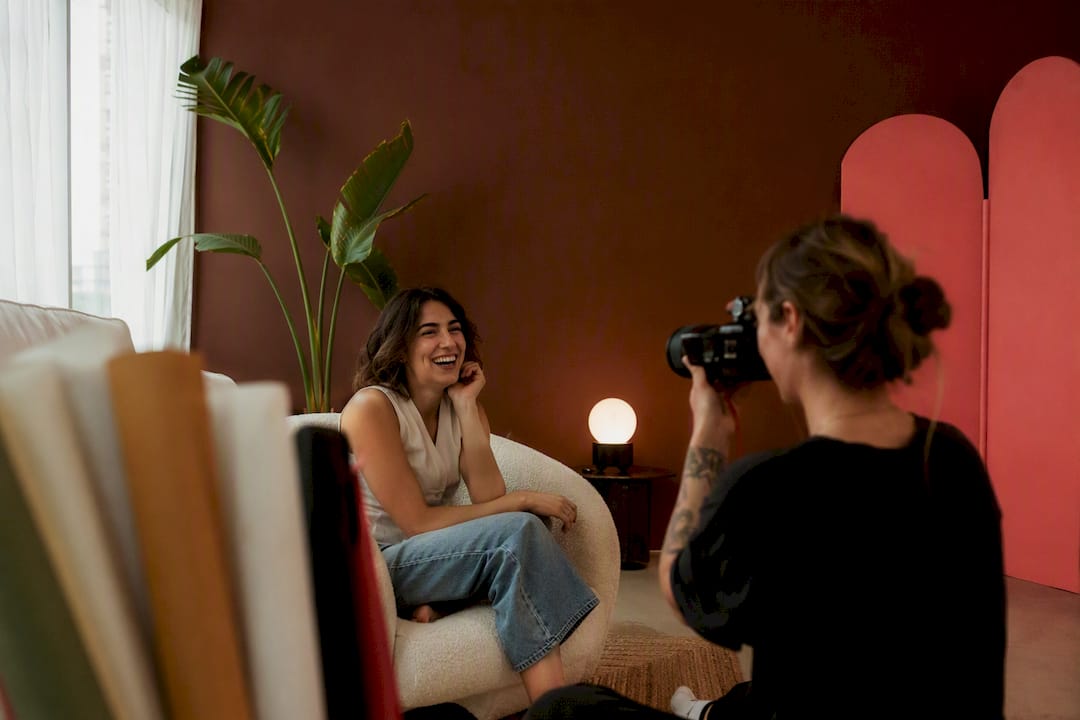
To make a posed shot feel candid, direct action instead of position. Ask subjects to walk, laugh at something specific, or turn towards each other mid-conversation, then shoot the transition, not the held pose. This is the "staged-candid" method: you guide the activity and let the moment happen inside it.
To make a genuine candid feel intentional, control your framing and timing even while staying hands-off with the subject.
- Use negative space deliberately rather than cropping tightly on instinct
- Wait for a clean background before pressing the shutter
- Time the shot to a natural pause in movement, not the peak of chaos
Pro Tip: A single prop, a coffee cup, a dog lead, a book, gives subjects something to do with their hands and instantly looks less staged than an empty pose.
Your pre-shoot and on-shoot checklist
Run through this before you start and you'll waste less time chasing settings mid-session.
- Check exposure and white balance against the actual light in the room, not your last shoot
- Pick your lens before you arrive: wider for candid movement, longer for posed compression
- Pack spare batteries, memory cards and a backup lens
- Ask subjects what makes them laugh, or what they're excited about, to prompt natural expression
- Glance at hands, shoulders and background clutter before every posed frame
What the research says about the candid advantage
Across five separate studies, observers felt more connected to and more interested in meeting people shown in candid photos than posed ones. That advantage disappears the moment viewers learn the shot was staged.
Viewers respond to perceived authenticity, not to whether a photo was technically unposed. A convincing staged moment can produce the same emotional response as a genuine one.
Despite this, people tend to post posed photos more often than candid ones, even though observers generally prefer the opposite. That gap between what performs and what people actually upload is worth remembering the next time you pick a profile picture: the practical takeaway isn't "always shoot candid," it's that a photo needs to feel real, whether it technically is or not.
Mixing both wins, in practice
I've never handed a client a gallery of only posed shots or only candids and had them love it equally. The strongest sets always mix both. My rule: shoot a few candids in the gaps between posed setups, that's usually where the best frame in the whole shoot turns up.
Picking your own best shots without the guesswork
Knowing the difference between candid and posed is one thing. Knowing which of your photos actually works on Tinder, Hinge or Bumble is another problem entirely, and it's not one you can solve by staring at your camera roll. DoubleMyMatches scores your photos on lighting, expression and composition, then ranks them from strongest to weakest so you're not guessing which candid shot beats which posed one. Every photo is analysed and discarded afterwards, nothing gets published or used to train the AI. Try the dating photo analyzer and see exactly which of your shots deserves the top spot.
Sources
- A Candid Advantage? The Social Benefits of Candid Photos
- Power of candid photos — Knowledge at Wharton podcast
- Analysis of 1,000 Tinder profiles reveals nine standard pose types
- Candid Photography: Capturing Natural Moments Effortlessly - Canon Central and North Africa